
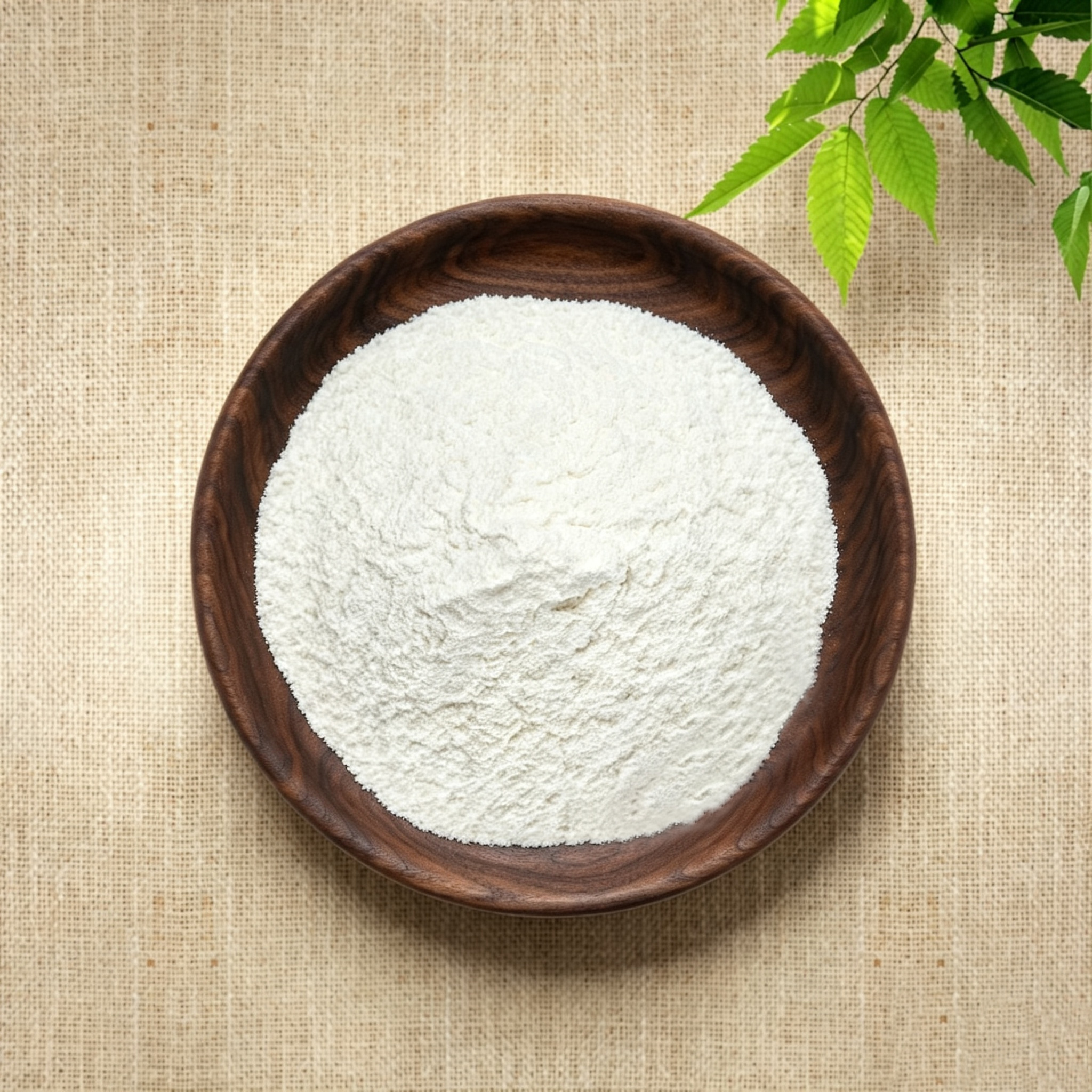
Zinc

Zinc is one of the nutrients that belong to the group of trace elements in the body of animals. It is involved in the functioning of a large number of enzymes in animals. Specifically, zinc is involved in many physiological processes in animals, such as the synthesis of proteins and DNA and the regulation of the immune system.


Zinc directly improves the growth and development process. Moreover, it is a key factor in the process of teeth formation and development of (healthy) bones. Besides that, zinc takes part in energy metabolism processes, helps maintain a proper condition of skin and fur, and improves the function of the immune system of pets.



What the research says.
Zinc as the "Gatekeeper of Immune Function": Regulation of Immune Homeostasis, Inflammation, and Oxidative Stress
Zinc is an important nutrient that is critical to the functioning of the immune system and mediates the responses of both innate and adaptive immune systems by regulating intracellular signaling pathways, zinc homeostasis, and zinc transporters. Zinc deficiency results in an increased pro-inflammatory response and a compromised immune system while proper zinc supplementation applies anti-inflammatory and antioxidant effects. Hence, zinc is often called the "gatekeeper of immune function."

The Role of Zinc in Canine Health: Immune Regulation, Skin Barrier Integrity, and Management of Zinc-Responsive Dermatosis
Zinc is important for immune regulation, keratinization of skin, healing of wounds, reproductive function, as well as olfactory sense and taste in dogs. Zinc-responsive dermatosis in dogs primarily results from zinc deficiency or relative insufficiency and manifests with various skin ailments, such as erythema, alopecia, scales, and crusts, with the most damage affecting the face. There are mainly two forms of this condition: the genetic form (e.g., seen in Alaskan Malamutes and Siberian Huskies) and the nutritional form (i.e., diets deficient in zinc or improper supplementation with zinc in puppies). The genetic form requires prolonged supplementation with zinc, while the nutritional form can be resolved with a change of diet. Research studies indicate that good zinc supplementation is crucial for the maintenance of the skin barrier and health of fur in dogs.

Organic Zinc Supplementation Enhances Antioxidant Capacity, Laying Performance, and Bone Strength in Aged Laying Hens
Zinc supplementation with organic zinc in the amount of 30 mg/kg can increase antioxidant capacity, efficiency of feed utilization, and egg production in older layers and facilitate zinc deposition in the body as well as bone strengthening. These results show that organic zinc has a better bioavailability and is an important mineral source for improving health and providing anti-aging nutrition for aged animals.

Zinc Supplementation as an Adjunctive Strategy for Osteoporosis in Zinc-Deficient Elderly Patients: Improving Bone Mineral Density and Metabolic Health
The research assessed the impact of zinc supplementation treatment among senior citizens suffering from osteoporosis and found that continuous use of zinc for a period of 12 months (50 mg per day) was successful in raising the zinc levels in the body. It also increased the amount of bone mineral density in patients with osteoporosis. No serious side effects have been observed during the study. Zinc supplementation has the potential to affect the prevention of fractures among the elderly with osteoporosis suffering from zinc deficiency as it expands the possibilities for bone production and better bone metabolism.

Zinc Homeostasis and Bioavailability: The Importance of Sustained Dietary Intake and Highly Bioavailable Zinc Forms for Health
Zinc is not stored in large amounts in the body, therefore it is necessary to take it in continuously. ZIP and ZnT transporters are involved in the process of zinc absorption, distribution, and excretion. Zinc plays an important role in maintaining bone, muscle, immune, and metabolic functions. Amino acids resulting from protein digestion as well as citric acid could improve zinc absorption, but phytic acid, casein, and calcium may decrease its bioavailability. Zinc deficiency might lead to immune disorders, skin problems, and metabolic disorders, which is why it is important to take highly bioavailable forms of zinc like zinc gluconate and zinc glycinate.