
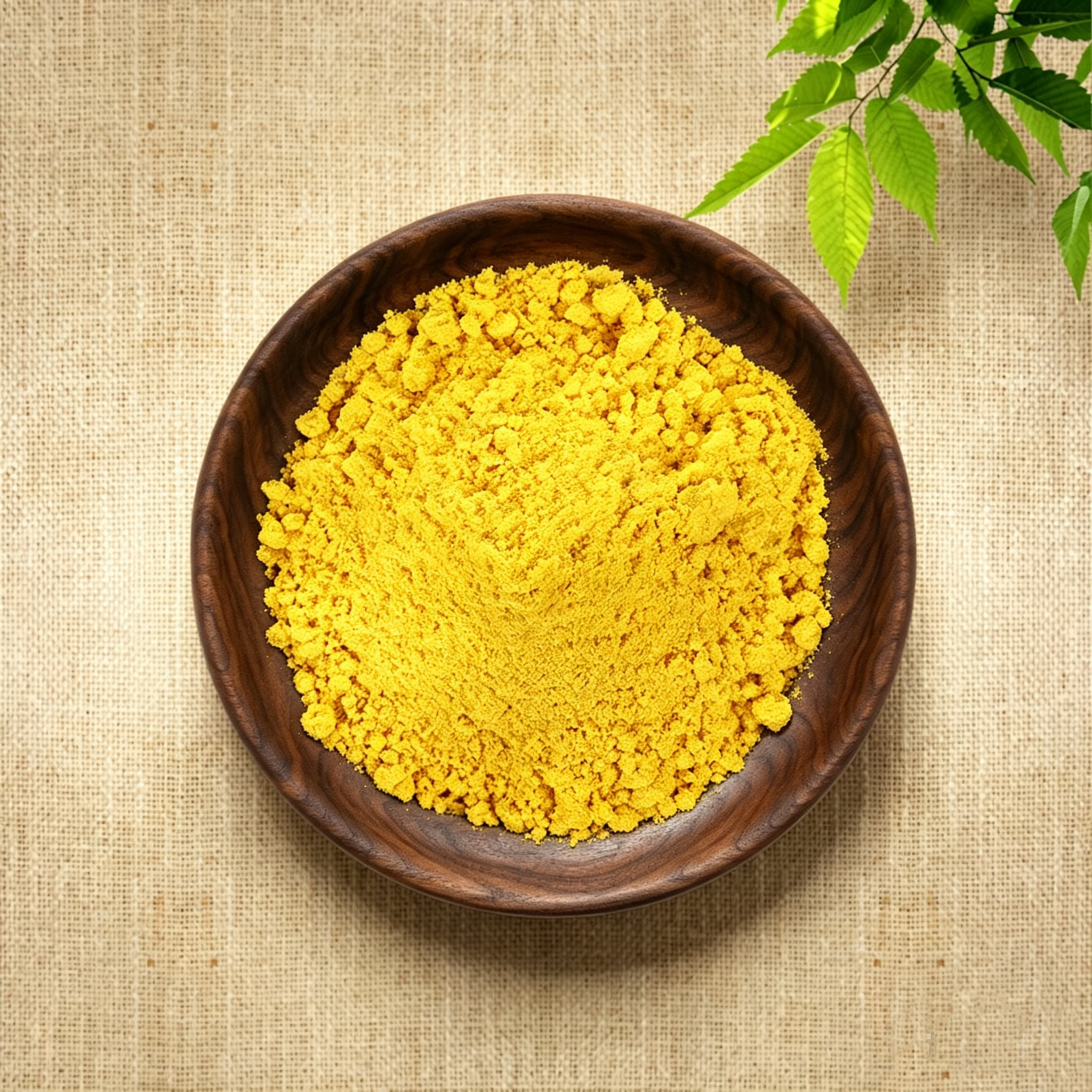
Pumpkin Powder

Pumpkin powder comes from fresh pumpkin that has been water evaporated and ground into a fine powder. It is most commonly used as an additive to commercial cat and dog foods; however, it can also be consumed as a dietary supplement.


Pumpkin contains high amounts of soluble and insoluble fiber. Soluble fiber acts similar to sponges because it absorbs excess moisture and adds volume to the stool. By absorbing excess moisture in the intestinal tract of the pet, the soluble fiber found in pumpkin supports proper stool formation and reduces the occurrence of diarrhea. Conversely, the insoluble fiber adds volume and moisture to the stool and assists with the efficient movement of the stool through the intestines, thus facilitating the elimination process and alleviating constipation.


Additionally, the concentrated fiber content of pumpkin powder allows pets to experience prolonged periods of satiety. This attribute may be beneficial in controlling weight because it reduces the amount of vacant calories consumed when pets overeat or snack excessively. As such, it has a place in weight-loss programs.


Furthermore, pumpkin is a great source of nutrients such as vitamin A and vitamin C which aid in supporting the immune system of animals and protecting the health of the skin and coat of animals.




What the research says.
Pumpkin as a Functional Food Ingredient: Bioactive Compounds and Health Benefits for Immune, Metabolic, and Nutritional Support
Functional components, such as minerals, vitamins, polyphenols, carotenoids, polysaccharides, and bioactive peptides, make pumpkin a valuable source of nutrients and are believed to provide several health advantages (such as immunity support, anti-inflammation, antioxidant function, hypoglycemic effect, and lipid regulation). Research indicates that pumpkin extracts, powders and functional foods derived from pumpkins represent valuable source materials for nutritional supplementation and health management products, along with potential applications for enhancing immune health and developing medicinal or edible homologous product lines.

Pumpkin Polysaccharides with Hypoglycemic Activity: Protective Effects on Pancreatic β-Cells via Antioxidant and Anti-Inflammatory Pathways
Researchers have isolated several polysaccharide fractions from pumpkin and demonstrated that the neutral polysaccharide fraction with lower molecular weights has significantly greater hypoglycemic actions than other fractions isolated. Furthermore, pumpkin polysaccharides have been found to have protective effects on pancreatic β-cells, as well as to alleviate cellular injury associated with oxidative stress and inflammation (NF-κB/iNOS) therefore making them potentially useful as an additional means of regulating blood glucose levels and helping manage diabetes.

Pumpkin Soluble Dietary Fiber Improves Glycemic Control via Gut Microbiota–Liver Axis Modulation and GLP-1 Secretion
Pumpkin SDF has been demonstrated to enhance the hyperglycaemic status of diabetic mice through its ability to modulate the "gut microbiota-gut-liver axis," as well as having a more pronounced hypoglycaemic effect than insoluble dietary fibre. Studies indicate that pumpkin fibre also stimulates the growth of SCFA-producing bacteria (for example, Akkermansia), increases SCFA production, regulates GLP-1 secretion and improves insulin sensitivity, thereby indicating a potential use as an adjunct to blood glucose control.