
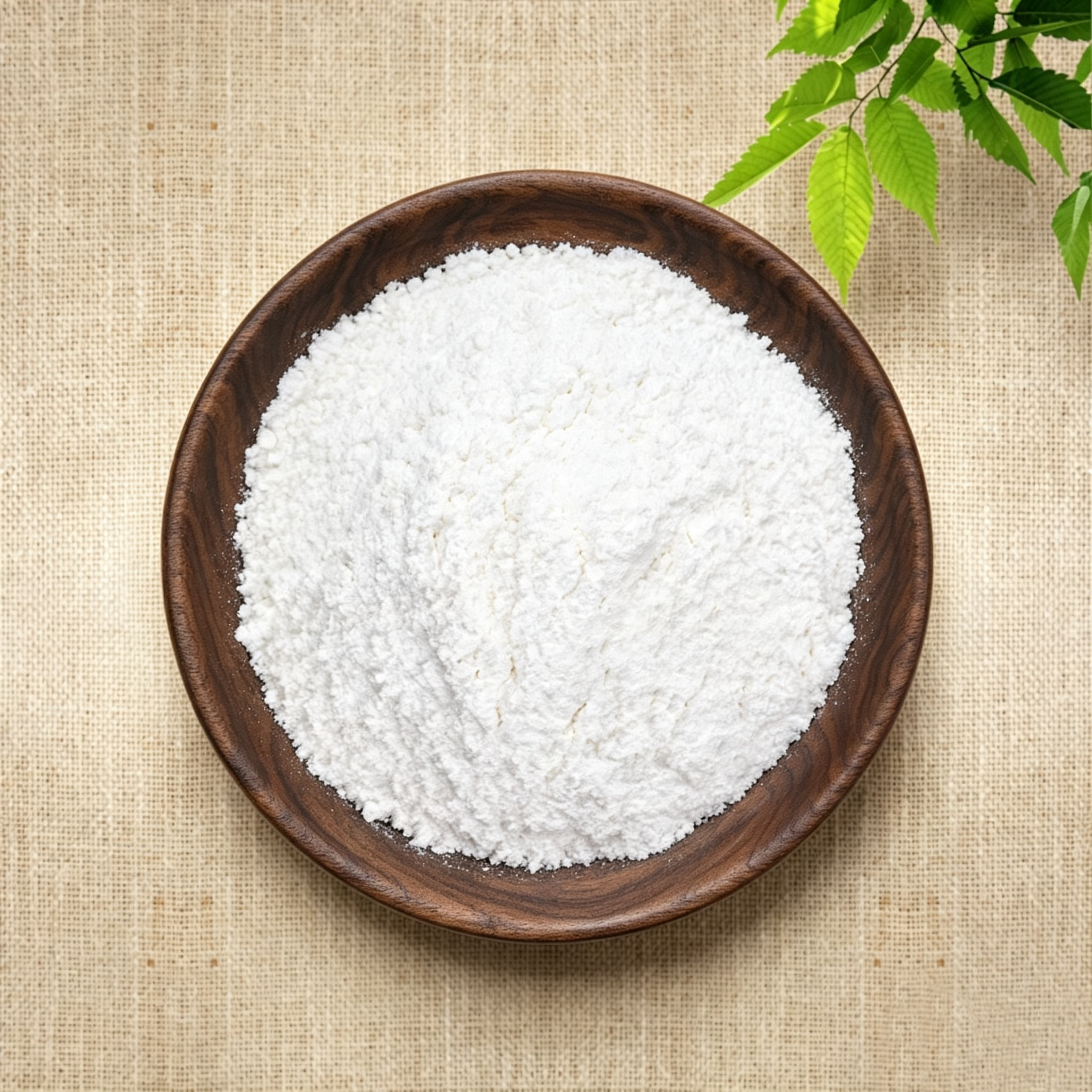
Prebiotics

Having prebiotics in your pet's diet offers a food source for beneficial gut bacteria, helping to promote their growth and health while supporting other areas of your pet's health throughout the body. As with human prebiotics, these functional ingredients support the health of the gut microbiota of companion animals.


Fructo-oligosaccharides (FOS), inulin, galacto-oligosaccharides (GOS) and others are the most well-known types of prebiotics found in pet foods. When included in the diet, prebiotics have been shown to promote intestinal health by enhancing the immune function of the intestine, decreasing the body’s inflammatory response to environmental factors, improving nutrient absorption capacity through intestinal mucosa support, providing a means to proliferate beneficial bacteria, decreasing the number of harmful bacteria, and potentially decreasing the risk of various intestinal disease conditions (such as diarrhea, constipation, enteritis) that may affect your pet's overall health.



What the research says.
Prebiotics as Nondigestible Carbohydrates: Promoting Beneficial Gut Bacteria and Supporting Digestive Health
Prebiotics are indigestible carbohydrates that can be digested by healthy gut bacteria and can help increase the number of beneficial bacteria such as bifidobacteria and lactobacilli, contributing to maintaining balanced gut microflora and strengthening the body's resistance to existing pathogenic bacteria. The plant-based source of prebiotics is an attractive area with many potential uses for prebiotic supplements for prevention of GI ill-health, by acting through mechanisms of altering the micro-ecological conditions of the GI tract and by producing metabolites that support the growth of these beneficial bacteria through the content of their carbohydrate component.

Inulin and Oligofructose as Prebiotics in Dogs and Cats: Enhancing Beneficial Gut Bacteria and Reducing Fecal Odor Compounds
Prebiotics are compounds found in certain foods (such as inulin and oligofructose) that help to balance the bacteria that live in the intestines of both dogs and cats. By taking prebiotics, a dog or cat may develop more beneficial bacteria like Bifidobacteria and Lactobacilli, which protects them from other harmful types of bacteria. Prebiotic supplementation has been shown in various studies to provide many benefits for your furry friends by decreasing the amount of ammonia, amines and other smelly waste products that appear in their feces, as well as improving their gastrointestinal health and decreasing the presence of harmful metabolites in their intestines.

Fructooligosaccharides Modulate Gut Immunity by Promoting Bifidobacteria, SCFAs, and IgA Secretion While Reducing Pro-Inflammatory Cytokines
By stimulating the growth of Bifidobacterium, increasing the synthesis of short chain fatty acids (SCFA), enhancing the production of IgA in the gut, and decreasing levels of proinflammatory cytokines, Fructooligosaccharides (FOS) can positively impact the immune function of the intestines. Evidence from systematic reviews has reported that supplemental FOS may also exert anti-inflammatory and antioxidant actions, thus helping to maintain homeostasis of the intestine's microbiota and promoting general health of the host.

Fructooligosaccharides Alleviate Obesity-Related Metabolic Disorders via Gut Microbiota Remodeling and GLP-1/PI3K/Akt Signaling
FOS supplementation has been shown to benefit metabolic health and restore glucose homeostasis in obese mice fed a high-fat diet by lowering their fasting insulin levels, increasing their GLP-1 secretion, improving their ability to utilize insulin effectively (insulin sensitivity), and modulating an array of signals associated with the intestinal GLP-1/PI3K/Akt pathway. Furthermore, FOS supplementation can alter the gut microbiota composition and inhibit the growth of pathogenic bacterial species, including Romboutsia ilealis. It may work to prevent metabolic disorders by using the "gut microbiota-GLP-1-PI3K/Akt" pathway.

Fructooligosaccharides Protect Against Obesity-Related Kidney Injury by Restoring Gut Barrier Function and Attenuating Renal Inflammation, Oxidative Stress, and Fibrosis
The use of fructo-oligosaccharides (FOS) has been demonstrated to improve dietary induced disturbances within the intestinal microbiome of persons consuming high fat diets through improved healthy intestinal barrier function as well as preventing obesity related kidney damage caused by disruptions in the control of blood glucose levels and fat metabolism. Published studies show that FOS improves the use of glucose by body fat and improves the cholesterol levels; increases the production of insulin from the pancreas; reduces inflammation, enhanced oxidative stress, fibrotic changes, and increased apoptosis rates of renal (kidney) tissues, hence showing the importance of FOS in reducing the damaging effects from renal (kidney) failure associated with metabolic disorders.

Inulin Supplementation Enhances Systemic Acetate Turnover in Dogs via Colonic Fermentation and Short-Chain Fatty Acid Metabolism
Fermentation of inulin produces acetate in dogs and supports increased acetate metabolism through other processes, thus increasing the potential to utilize short-chain fatty acids. It was demonstrated through studies that adding inulin to the diet of dogs for 21 consecutive days increased the whole-body acetate turnover rate in these dogs by approximately 31%. This finding appears to suggest that the metabolites produced through the intestinal fermentation of inulin may help regulate the dogs' energy metabolism, as well as intestinal health.

High-Polymerization Inulin Attenuates Obesity-Related Inflammation in Dogs by Modulating Gut Microbiota and TLR4/NF-κB Signaling
Inulin is a component that has been proven to be able to modulate the inflammatory response that is caused by LPS and subsequently, reduce the level of adipose tissue inflammation and obesity in dogs that are obese, by modulating the composition of their gut microflora. The studies performed thus far show that HPI (highly purified inulin) will exert a greater degree of anti-inflammation than LPI (less purified inulin), primarily due to the ability to block the TLR4 / NF-κB signal pathway and decrease levels of pro-inflammatory cytokines such as IL-6 and TNF-α as well as to alter the composition of the gut microflora.

Galactooligosaccharides and Prebiotic Blends Enhance Immune Cell Phagocytic Activity in Adult Dogs Without Altering Digestibility
Supplementation with Galacto-oligosaccharides (GOS) and prebiotics has been shown to benefit dogs in enhancing their intestinal health and supporting the immune system. Even though they may have limited effects on digestibility of nutrients, fecal weight or composition, and all other fermentation products, GOS and prebiotics have been shown to enhance immunity by increasing the activity of immune cells in dogs. Research suggests that providing either 1% GOS or a prebiotic complex could boost the activity of components of the dog's immune system and improve the ability of the dog's cells to kill (phagocytose) certain bacteria, such as Staphylococcus aureus and Escherichia coli, thereby potentially increasing the dog's overall intestinal immune defense mechanisms.

Galactooligosaccharides Modulate Fecal Microbiota and Fermentation Metabolites in Dogs and Cats, Promoting Bifidobacteria and Short-Chain Fatty Acid Production
The use of galacto-oligosaccharides (GOS) has been shown to alter the fecal microbiota composition in dogs and cats by increasing the growth of certain beneficial microorganisms including Bifidobacterium, and promoting the formation of beneficial fermentation metabolites. The available scientific evidence suggests that in dogs, GOS is an enhancer of carbohydrate fermentation further resulting in higher levels of acetate and butyrate in the gut; whereas, in cats the specific positive impact that GOS has on the fecal microbiota includes specific alterations to the composition of the microbiome. In summary, GOS has positive effects on the fecal microflora and thus improves intestinal microecological balance for both species.

Long-Term Galactooligosaccharide Supplementation Modulates Gut Microbiota and Reduces Fecal Odor and Uremic Toxins in Dogs
By supplying Galacto-Oligosaccharides continually, dogs' barred intestinal ecosystems can be improved such that beneficial flora have a greater population than unhealthy bacteria in terms of their number, weight, and diversity, and the gut microflora population increases as a result. GOS supplementation has been demonstrated to decrease the amount of odorous material (phenolic and other putrefactive metabolites) and uremic toxins circulating through the blood of dogs. It may also enhance or at least maintain oral health and overall dog-related health status and well-being.