
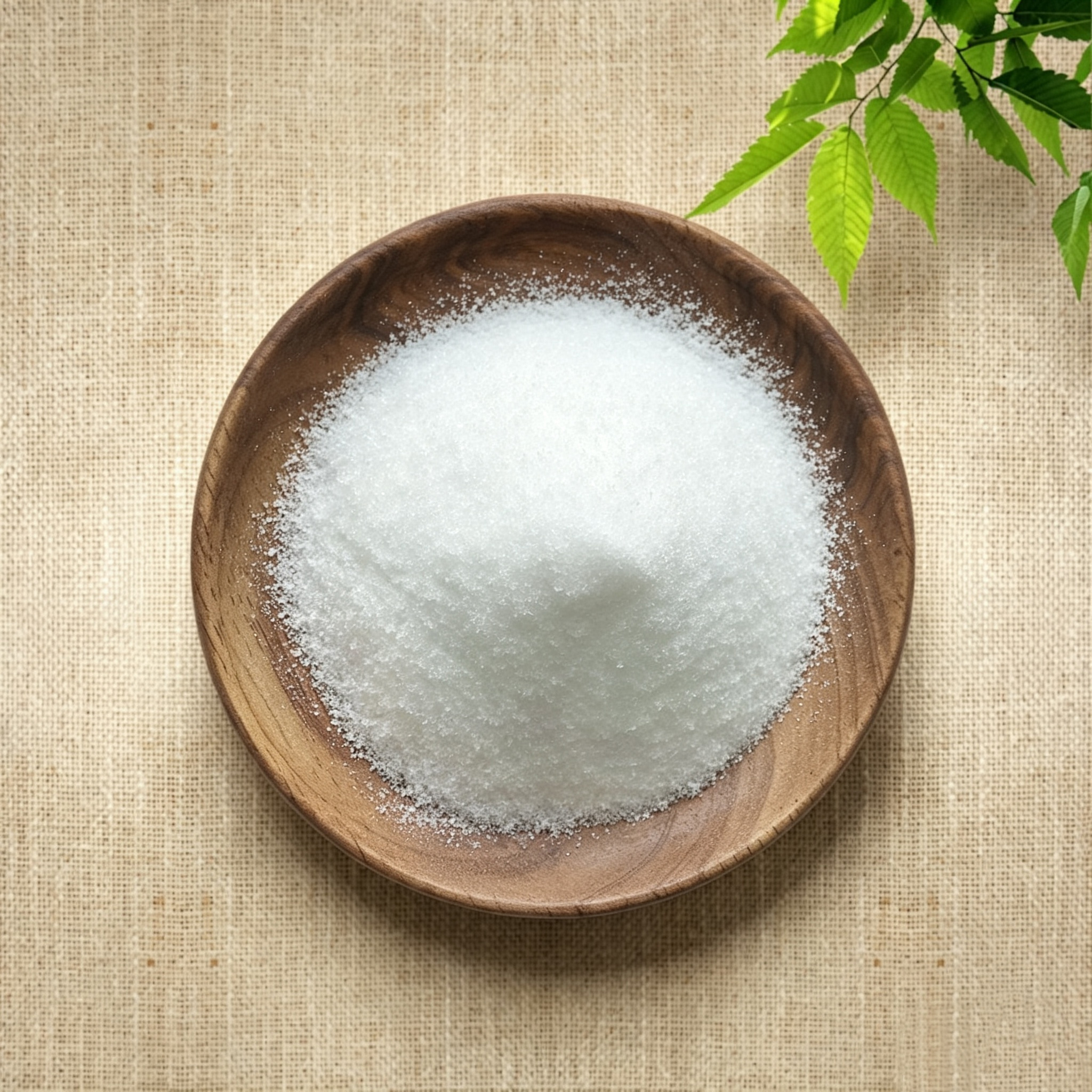
Methylsulfonylmethane (MSM)

MSM refers to methylsulfonylmethane, a naturally produced sulfur compound. This term may also be defined as dimethyl sulfone or methylsulfonyl methane. MSM is an important element for building collagen, which is required for providing strength to tissues and joints.

Studies show that MSM can help reduce inflammation by inhibiting the production of inflammatory cytokines.

While MSM is a dietary substance in the food and supplements industry, it can be combined with glucosamine and chondroitin to create an effective formulation. The combination of these three compounds has an excellent impact on the flexibility of joints, decreases cartilage destruction, and enhances repair and proper maintenance of cartilage. This combination is particularly helpful in taking care of senior dogs and cats.

Imagine MSM as an invisible layer of "shock absorbers" that make your pet's joints feel better by reducing stress and friction in the patella.




What the research says.
Osteoarthritis and Bone Degeneration via SOX9/SP7 and Metabolic Modulation
Research indicates that MSM (methylsulfonylmethane) can stimulate one type of stem cell - the so-called "repair cell" - to convert into cells that produce cartilage and their predecessors. This promotes growth of cartilage and contributes to the restoration of bone tissue, which means MSM could resolve many cases of degenerative bone diseases. How does it work? Apparently, by activating many signaling pathways - it boosts the action of important genes regulating differentiation, such as SOX9 and SP7 (which we may call "master regulators" of bone and cartilage formation), and it inhibits signaling pathways responsible for the formation of osteoclasts that destroy bone. This way, MSM restores the balance between the processes of bone and cartilage formation.

MSM Inhibits NLRP3 Inflammasome and Mitochondrial ROS: A Novel Anti-Inflammatory Strategy for Osteoarthritis and Beyond
According to various studies, MSM (short for methylsulfonylmethane), can act on the NLRP3 inflammasome. This is a significant alarm system in the body that sets off inflammatory responses when danger signals are detected. As a result, it decreases the level of the pro-inflammatory signs IL-1a, IL-1b as well as IL-6. It seems MSM plays a role in reducing the generation of mitochondrial reactive oxygen species (ROS), which damage cells and prevent NLRP3 inflammatory signaling from activation. This means that MSM is a potentially beneficial supplement for patients suffering from osteoarthritis and other variety of inflammation-related disorders.

MSM and Myo-Inositol Supplementation: A Safe and Effective Approach to Improving Poodle Coat Quality and Gut Health
The investigation has confirmed that administering 0.2% of MSM (methylsulfonylmethane) in addition to 0.2% of inositol (MI) results in better coat quality for Poodles. It makes the hair cuticle thinner and increases the fur's sulfur content compared to before treatment. Not only that, but the two supplements also trigger the gut microbiome to function properly and regulate lipid and carbohydrate metabolism processes without harming the dogs' development and health. So the MSM + MI combination can be viewed as a promising solution in the sphere of pet-care products dedicated to coat and skin health.

MSM Drives SHED Osteogenesis via RUNX2/Osterix/OPN and TG2-Mediated Mineralization: A Novel Strategy for Bone Regeneration
MSM (methylsulfonylmethane) can stimulate a special type of stem cell, referred to as SHED (stem cells from human exfoliated deciduous teeth), enabling the process of these stem cells differentiating into osteoblasts, or bone-producing cells. This allows for enhanced activity of alkaline phosphatase (a major enzyme in bone formation) and stimulation of the deposition of minerals in the matrix, thus contributing to the formation of new bone tissue. MSM appears to enhance bone-related 'master switches' such as RUNX2, Osterix, and Osteopontin, which work as foremen rather than builders, leading cells to their osteogenic destination. MSM also triggers transglutaminase 2 (TG2), an enzyme responsible for cross-linking the extracellular matrix and thus enhancing it as a scaffold in mineralization. Overall, these facts indicate new evidence for the application of MSM in bone regeneration therapies.