
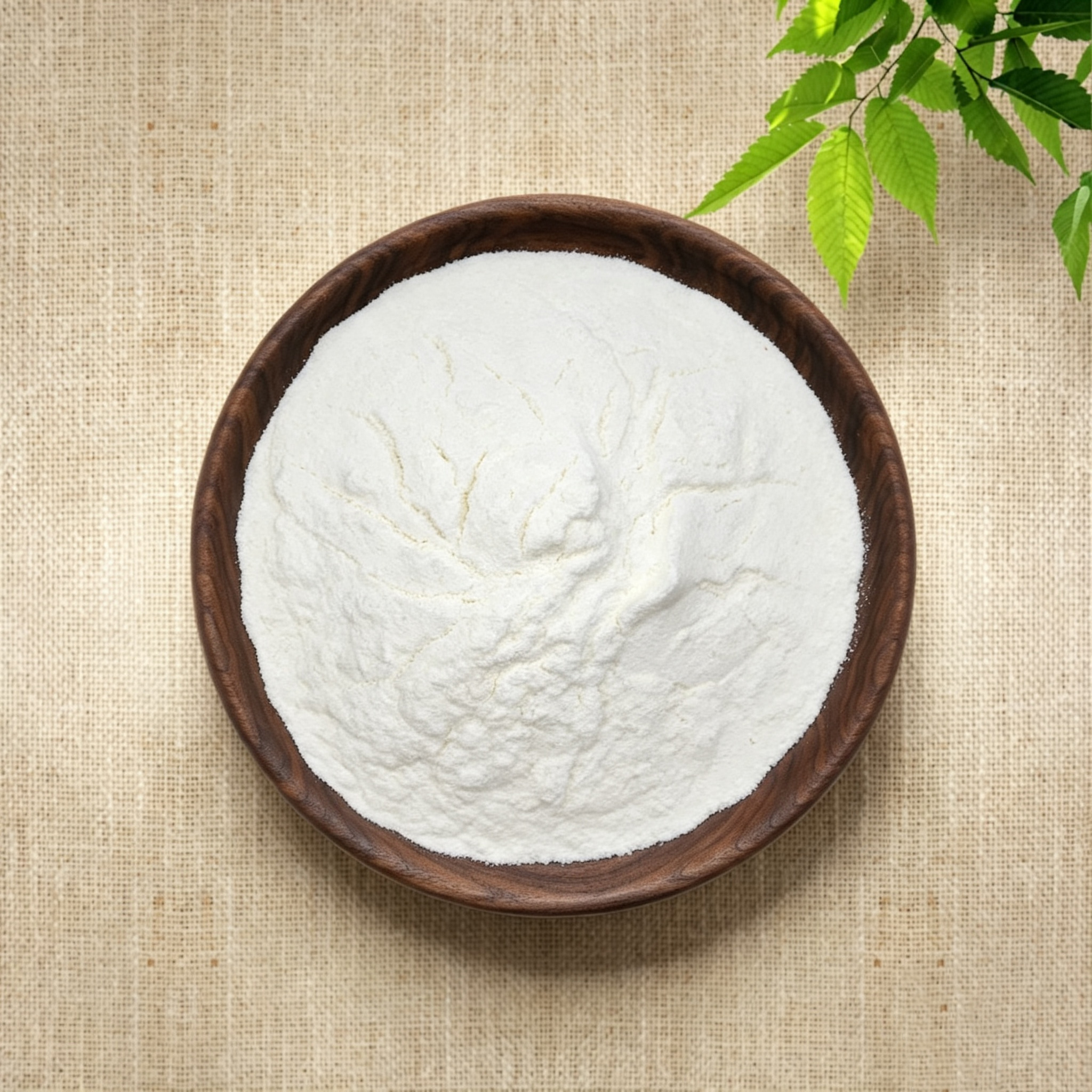
Melatonin

Melatonin is a hormone produced by the pineal gland to regulate circadian rhythms, or sleep-wake cycles. Melatonin serves a similar purpose in pets as it does in humans for regulating sleeping patterns and combating anxiety stemming from their ages.


A myriad of studies have suggested the use of melatonin for treating anxious behaviours due to loud noises, separation anxiety when left alone, and anxiety related to travel, in both dogs and cats. In fact, melatonin is frequently combined with other calming ingredients in dog and cat calming treats so that pets can be relaxed during stressful times. In addition, Melatonin is regularly used to treat nighttime anxiety and sleep issues resulting from cognitive dysfunction in geriatric dogs, or specifically breed-related auricular alopecia (an inherited hair loss condition that occurs in specific types of dogs).



What the research says.
Melatonin as a Neurotrophic and Neuroprotective Agent: Promoting Neuronal Survival, Differentiation, and Brain Health
Melatonin plays a dual role in regulating circadian sleep cycles and as a neurotrophic hormone for neurons. It has been demonstrated that melatonin has neuroprotective effects via mechanisms that include antioxidant activity, inhibition of inflammation, and inhibition of apoptosis, as well as modulation of below neurotrophic signalling pathways. Furthermore, there is emerging evidence suggesting neuroprotective properties for brain health and the maintenance of cognitive function via the actions of melatonin on its own or in combination with other treatments, making it a potentially valuable compound for neurodegenerative disease prevention and/or treatment.

Melatonin as a Multifunctional Antioxidant: Scavenging Free Radicals, Activating Antioxidant Enzymes, and Protecting Mitochondria from Oxidative Stress
Melatonin serves as a potent antioxidant and combats oxidative stress by scavenging free radicals of reactive oxygen (ROS) and nitrogen (RNO) species; activating antioxidant enzymatic pathways; suppressing the activity of pro-oxidant enzymes; and binding to heavy metal cation complexes. Melatonin's beneficial effect is most pronounced in the mitochondria, where it is believed to mitigate molecular and cellular damage as well as inflammation and programmed cell death (apoptosis) related to oxidative stress. In addition, melatonin has possible therapeutic value to cardiovascular and cerebrovascular events (cardiac and cerebral ischemia) and advancing age and can likely protect the body against damage caused by these processes.

Melatonin as a Safe Adjunct for Reducing Stress and Improving Compliance in Cats During Veterinary Visits
The use of melatonin may improve compliance with veterinary visits and reduce stress and anxiety in cats. There is evidence indicating that administering 3 mg of melatonin orally can enhance feline compliance with medical exams without any negative impact on heart rate, blood pressure or the electrocardiogram or echocardiographic findings. Melatonin also appears to have a mild sedative effect as well as being non-toxic, therefore, it could be considered an adjunct to nutrition for cats during travel, physical exams and management of stress associated with veterinary care.

Melatonin in Animal Behavior Regulation: Modulating Circadian Rhythms, Stress Response, and Neurotransmitter Systems for Emotional and Behavioral Health
Melatonin assists in regulating the behavior of animals such as regulating moods, aggressive behaviors, social interactions and learning/ memory as well as regulating the circadian cycle and managing stress through modulating neurotransmitter systems (serotonin, dopamine and cortisol). As a result of these studies, it appears that Melatonin can aid with management of stress, promote adaptive behavior, and help maintain physiological balance. Therefore, Melatonin could be effective functional ingredients in regulating emotional states, sleeping patterns, and supporting behavioral health for your pet.

Melatonin in Skin Health: Antioxidant Defense, Immunomodulation, and Tissue Repair Against Environmental and UV Damage
In addition to regulating sleep, melatonin is also an antioxidant, immunomodulator, and tissue repair agent for skin health. Melatonin can help protect the skin from oxidative stress, UV damage, and environmental insults, thereby preventing the harmful effects of these stressors on the skin. Melatonin research suggests melatonin is effective at reducing skin inflammation, accelerating the healing process of wounds, and addressing age-related skin concerns by (finding) free radicals, enhancing the skin's natural defense mechanisms, and modulating inflammatory response, which suggests it has a potential role in skincare and/or topical treatment applications.