
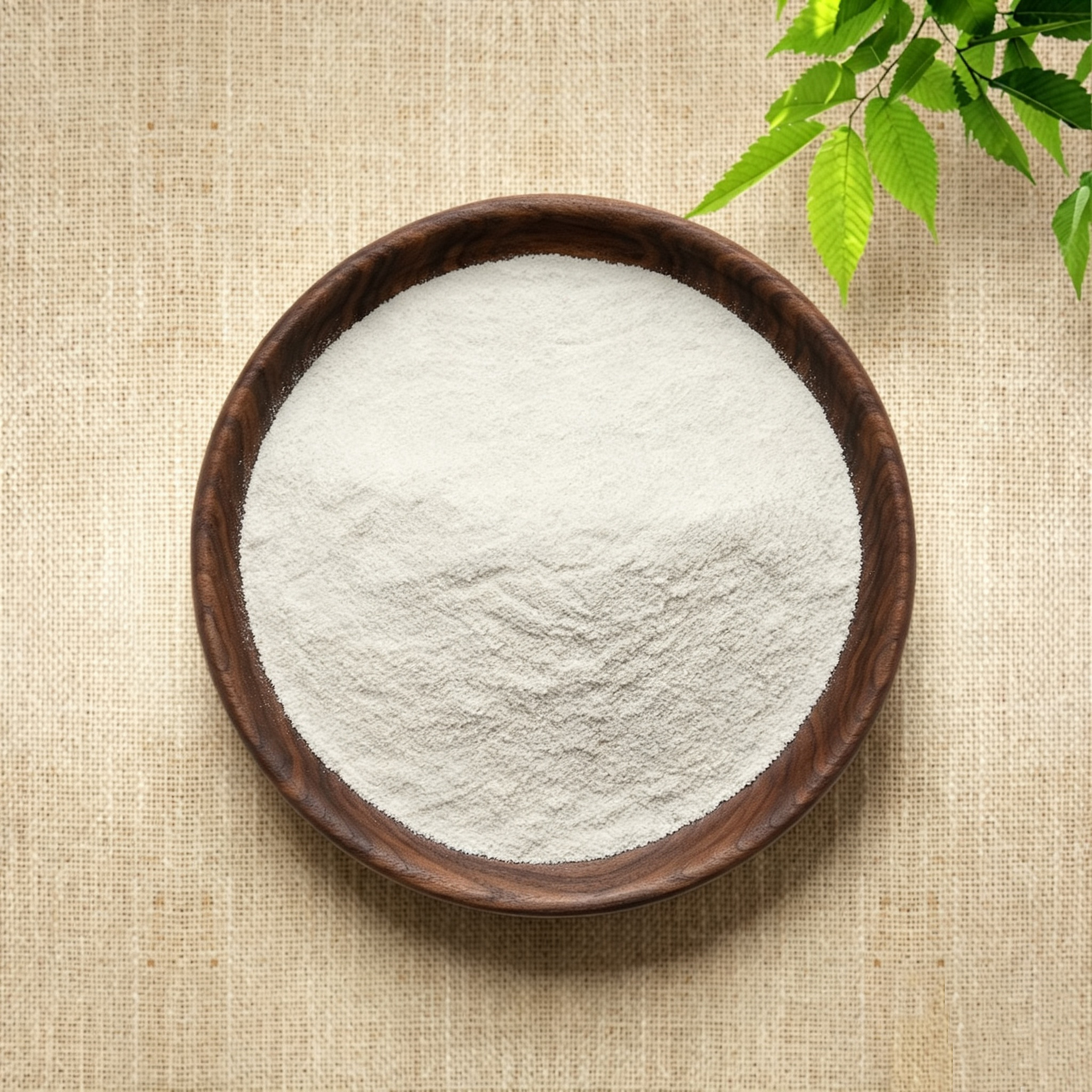
L-Tryptophan

L-tryptophan is a vital amino acid that is used in different ways in animals such as controlling growth, stress, immunity, genetics, and making protein. This amino acid is essential in influencing the emotional states of animals including dogs and cats due to the fact that it is used in the process of producing serotonin, which is an important neurotransmitter. 

Research on the relationship between serotonin and aggression shows that higher levels of aggression are accompanied by lower levels of this neurotransmitter in the body. Tryptophan is the only precursor in serotonin production. Therefore, it is important to consider tryptophan as a way to influence aggressive behavior of dogs through the use of adequate dosage of the substance to ensure its production in the body and prevent anxiety and impulsiveness as a result.



What the research says.
L-Tryptophan Improves Sleep Onset and Sleep Quality by Enhancing Serotonin and Melatonin Pathways
L-tryptophan is helpful in sleeping problems because it will induce sleepiness and will reduce the onset period of sleep initiation. The analysis shows that daily administration of L-tryptophan in the dosage of 1g or higher is effective for inducing drowsiness and decreasing latency of sleep onset. The most profound effect was seen in people with mild insomnia or problems with falling asleep. Research studies indicate that there is a possibility that L-tryptophan may be beneficial for sleep improvement because of its influence on the neurotransmitters responsible for sleep, like serotonin and melatonin. However, its efficacy is questionable for intense insomnia and difficulty sleeping due to certain medical reasons.

L-Tryptophan Modulates Mood and Reduces Anxiety by Serving as a Serotonin Precursor
L-tryptophan is an important amino acid that has a big role to play in mood regulation because it will promote serotonin synthesis. A relevant review demonstrated that with daily supplementation of from 0.14 to 3g of L-tryptophan positive emotions will be experienced along with the decrease of anxiety level. Furthermore, it is indicated that L-tryptophan may be successful regarding the improvement of mood because it prompts the synthesis of serotonin.

Dietary L-Tryptophan Enhances Mood and Reduces Depression and Anxiety via Serotonin-Mediated Pathways
L-tryptophan may positively impact emotional well-being by enhancing the amount of food eaten each day. There are numerous research projects that have shown significant improvements in both positive mood ratings and reductions in depression and anxiety associated with consuming a diet high in L-tryptophan compared to consuming a diet low in L-tryptophan. Studies show that L-tryptophan may be a potential substance to assist with regulating moods and mental health due to its ability to stimulate the production of serotonin and alter the balance of neurotransmitters.

L-Tryptophan as a Novel Melanin Precursor: Unveiling a Microbial Biosynthetic Pathway via Indole Intermediates
L-tryptophan is an essential amino acid required for the synthesis of proteins and the metabolism of neurotransmitters, and furthermore, it is a unique source of potential melanin formation. Research has demonstrated that some microbes have the ability to use L-tryptophan as a substrate for creating pigments that are structurally similar to melanin through the process of polymerization of indole-based intermediates. This research identified another way through which L-tryptophan contributes to the formation of melanin and provides new insight into the biological roles of L-tryptophan and proposes that further investigations could provide new knowledge regarding regulation of skin pigmentation and antioxidant mechanisms.

L-Tryptophan Improves Sleep in Insomniac Cats by Enhancing Serotonin Activity and Promoting Slow-Wave Sleep
L-Tryptophan is known to regulate sleep hormones in the brain and modulate serotonin and catecholamine levels in both animals and humans. When given to healthy adult rats, L-tryptophan produces a mild sedative effect. When given to cats with insomnia, L-tryptophan significantly reduces the time it takes to fall asleep, increases total SWS during a night of sleep, and may enhance the quality of sleep by increasing serotonin activity in the central nervous system and decreasing the activity of excitatory neurotransmitter systems.