
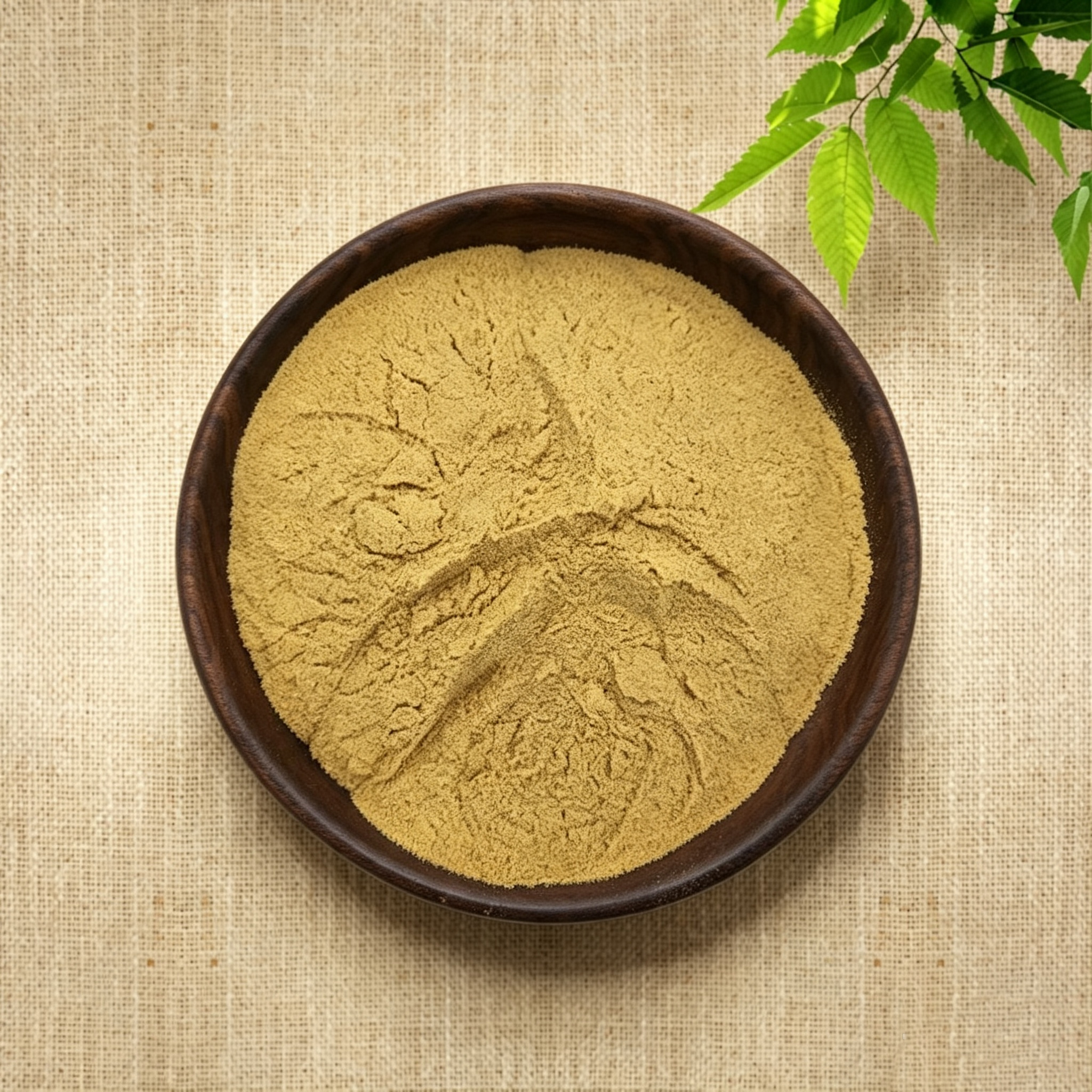
Green-Lipped Mussel (GLM)

The green-lipped mussel, scientifically termed Perna canaliculus, is a bivalve mollusk originating from the Marlborough Sounds in New Zealand's South Island. As its name suggests, this mussel is distinguished by its striking green trim along the edge of the Shells.


Firstly, it is characterized by its high content of omega-3, including the uncommon version called ETA, which acts as an effective anti-inflammatory that alleviates joint pain right at its source. This mussel is also rich in glycosaminoglycans, which are natural compounds consisting of glucosamine and chondroitin-4 and -6 sulfates needed to mend damaged cartilage.


With this powerhouse duo contributing to it fighting inflammation, green-lipped mussel not only recovers the cartilage but also helps in preventing future inflammatory breakdown, and that's why it is gaining popularity among a lot of people for being treated as a natural remedy for pain and inflammation, especially among animals.




What the research says.
Green-Lipped Mussel Alleviates Rheumatoid Arthritis by Suppressing Inflammatory Cytokines and Osteoclastogenesis
The mussel species Green-Lipped is significantly beneficial in the reduction of inflammation as well as joint damage stemming from rheumatoid arthritis. It inhibits the action of certain inflammation-causing agents, such as TNF-α, IL-1β, and IL-17, and reduces the activity of osteoclasts, the cells that cause bone tissue destruction. Through a mild adjustment of the body's immune and inflammatory responses, as well as that of metabolism of bones, Green-Lipped mussel allows for restoration of normal functioning of the immune cells that are harmful and prevents excessive absorption of bone tissue. Thus, the mussel proves to be very promising in terms of treatment of rheumatoid arthritis and enhancement of joint health.

Green-Lipped Mussel Attenuates Osteoarthritis by Inhibiting Cartilage-Degrading Factors and Necroptosis
The benefits of Green-lipped mussel (GLM) for people suffering from osteoarthritis are abundant: it helps with joint pain, reduces inflammation in cartilage, and stops even the most damaging processes that could harm cartilage. Also, the effects of GLM are supported by animal studies where it was shown to slow down the progression of osteoarthritis. The therapeutic effect of GLM can be explained by the fact that it stops the activities of many culprits, i.e. the pro-inflammatory molecules (IL-1β and IL-6) as well as the enzymes responsible for cartilage degradation (such as MMP-3, MMP-13, and ADAMTS5) while reducing oxidative stress and preventing necroptosis (a programmed cell death which makes use of the RIPK1/RIPK3/MLKL pathway). It is evident that GLM protects cartilage from the negative effects of inflammation and unnecessary cell death.

Green-Lipped Mussel Supplementation Improves Gait, Pain, and Mobility in Dogs with Osteoarthritis
It has become clear from studies that consumption of GLM (Green Lipped Mussels) can produce a beneficial effect in affecting dogs suffering from osteoarthritis, providing them with better mobility, reduced pain, and greater ability to move around thanks to an enhanced level of omega-3 fatty acids. In a nutshell, the condition of these dogs improves considerably thanks to GLM. This means that by using GLM supplements on a regular basis, pet owners can help their pets to cope with the symptoms of osteoarthritis.

Green-Lipped Mussel Provides Safe and Effective Pain Relief for Canine Osteoarthritis, Offering an Alternative to NSAIDs
The green-lipped mussel (GLM) has been shown to be helpful in alleviating chronic pain and improving the mobility of dogs with osteoarthritis, while still having a great safety profile. Although it may not be as effective as the prescription drug carprofen, it achieves better results compared to placebo (sugar pill). Another advantage of using GLM is the absence of noticeable side effects. This makes it a safe natural option for treating canine osteoarthritis, especially in the cases when a dog cannot use NSAIDs due to gastrointestinal problems, renal failure, or other reasons.