
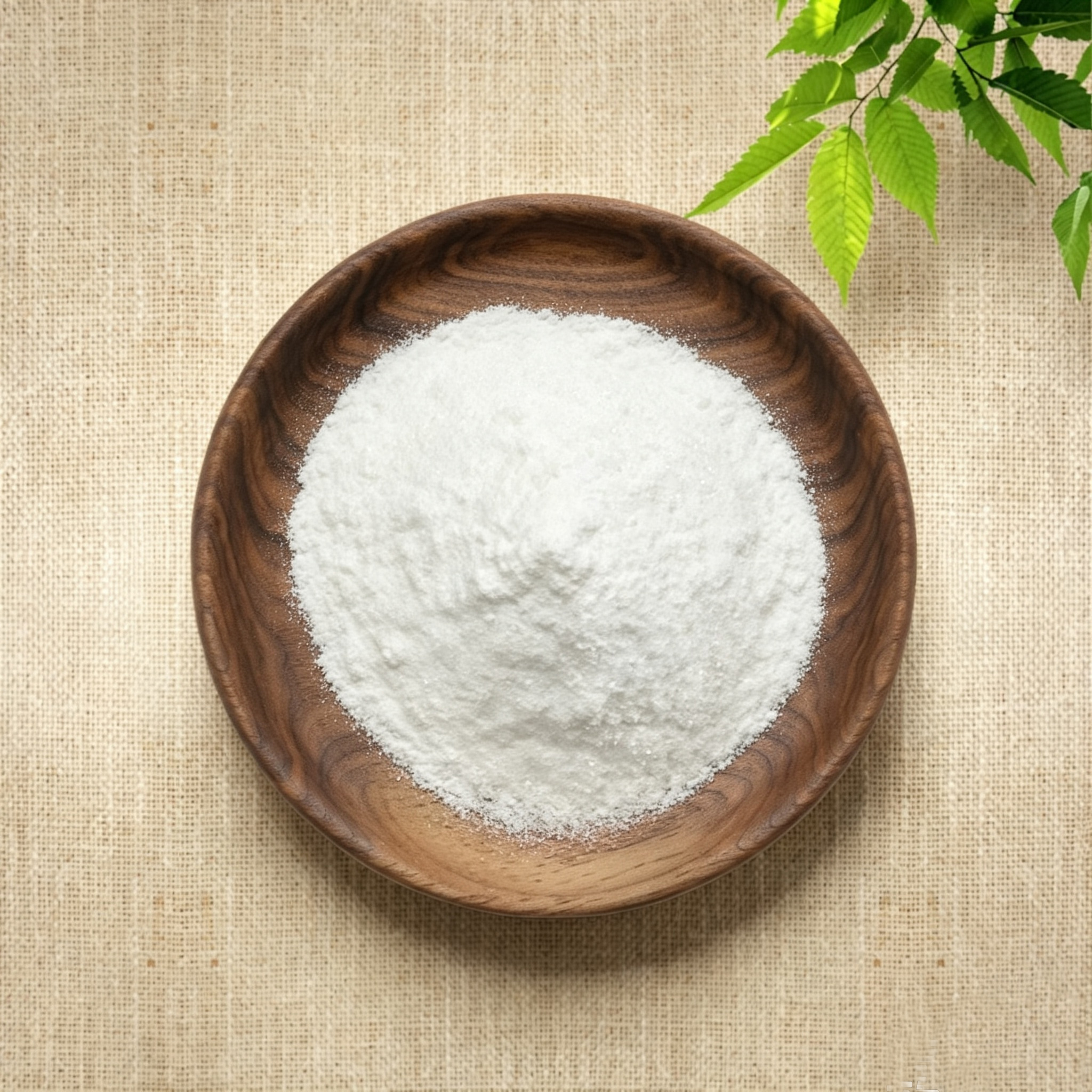
Glucosamine

Glucosamine is a naturally-occuring form of "sugar", but does not resemble its sweet counterpart that we add to our coffees. Instead, glucosamine is an important substance to keep joints healthy. Glucosamine is extracted from crabs, shrimps and other shell-fish and is among two important substances present in cartilage: glycosaminoglycans and hyaluronic acid. Glucosamine is a part of joint cartilage, which means that taking it as a supplement is like “refilling” the cartilage.

So, how does glucosamine operate? Glucosamine simply nudges the cartilage cells so that they produce more of proteoglycans, which are normal and strong. Besides, while producing proteoglycans, glucosamine also inhibits some other “destructive” enzymes such as lysosomal enzymes and collagenese which break down the cartilage. Glucosamine also helps to neutralize the free radicals that may harm the cells thereby restoring cartilage.

Because of its protective qualities towards joint cartilage, glucosamine has been used for a long time, first to prevent osteoarthritis, and later as a supporting treatment. And it is not only animals that benefit from its properties, as glucosamine is also extremely useful for pets, especially older dogs and cats, or those with mobility problems. Moreover, because of its safety and its role as a nutritional supplement rather than a drug, well, the FDA classifies it as an over-the-counter product.




What the research says.
Glucosamine Helps Support Cartilage Health and Maintain Healthy Joints
Research indicates that the use of glucosamine promotes the maintenance of type II collagen in athletes engaged in strenuous physical activity, helping to preserve their arthrogenous cartilage together with encouraging normal production of this tissue.

Oral Glucosamine Can Reach Cartilage Tissue, As Demonstrated By Stable Isotope Tracing
Research proves that glucosamine can enter the dog's bloodstream after oral ingestion, get distributed into the cartilage tissue, and do its job of stimulating cartilage cells to produce the required amounts of proteoglycans which are crucial for sound cartilage structure. This showcases the direct evidence that oral glucosamine aids in preserving the structure of cartilage and good health of joints. The result of the experiment becomes more exciting considering that stable isotope (¹³C) tracing was applied, which has allowed "marking" glucosamine molecules and tracking their way in the body of the subject. For the first time, it was demonstrated using this advanced method that glucosamine taken orally is able to reach cartilage tissue. This provides the scientific justification for its use as a dietary supplement.

Glucosamine + Chondroitin Help Protect Canine Joints, Reduce Inflammation and Lameness, and Support Overall Joint Health.
According to researchers, administering glucosamine HCl and chondroitin sulfate to dogs consistently for three weeks before their joints were put under stress resulted in a variety of beneficial outcomes in terms of joint function. Signs of inflammation were reduced, abnormal bone metabolism was minimized, and overall comfort while walking was improved for the dogs in the experiment. This suggests that taking glucosamine and chondroitin prior to triggering joint issues may be beneficial for dogs by assisting them in preparing for stress on their joints. The significance of these ingredients in dog diets cannot be overestimated due to their incredible benefits in terms of joint health.