
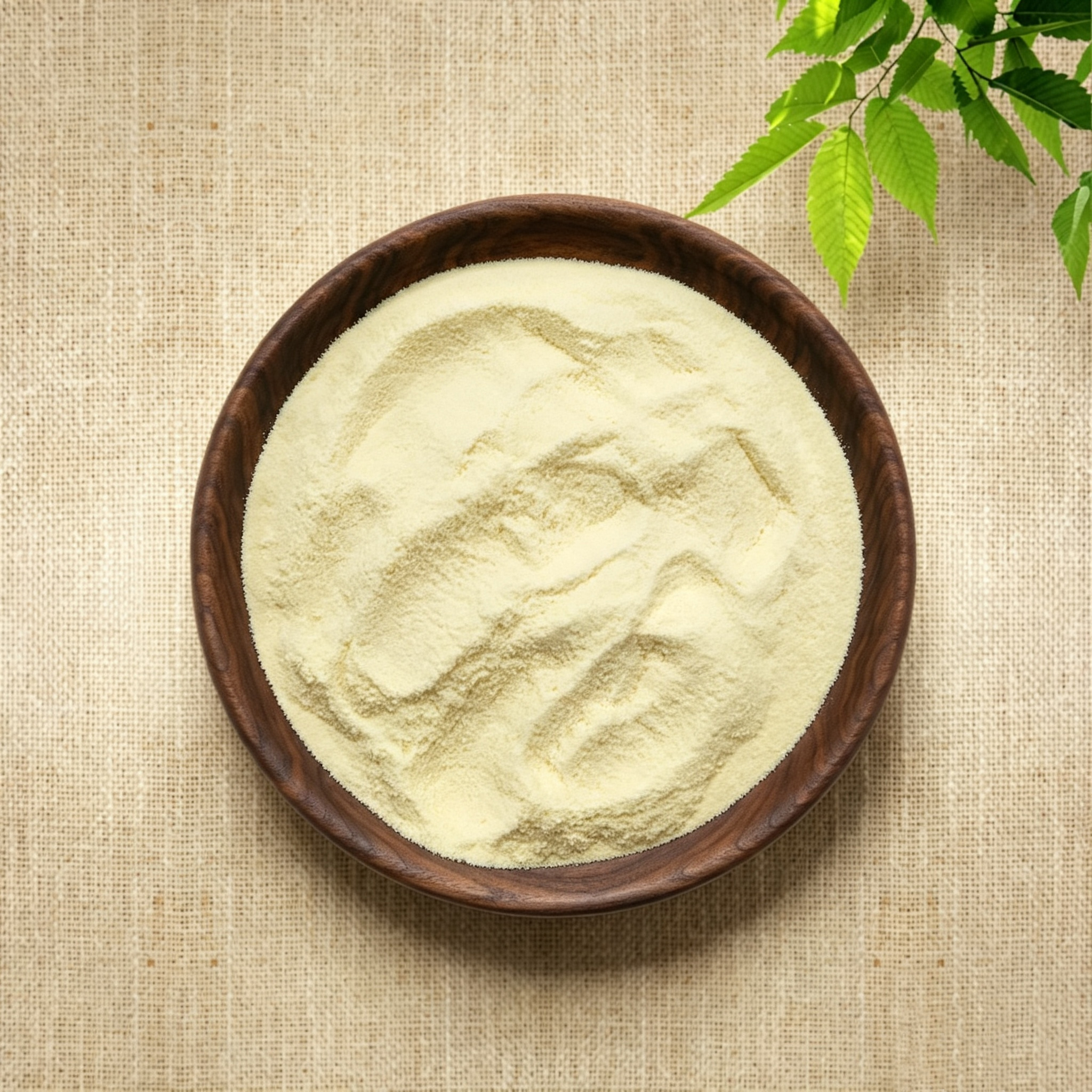
Collagen Peptides

Collagen is the major structural protein component of the animal extracellular tissue and connective tissues. Collagen is made up of three primary amino acids - glycine, proline, and hydroxyproline. It is found in many different parts of the body, including skin, bones, and muscles, and has got an important supportive, reparative, and protective function.


For animals, especially dogs, collagen is mainly utilized as a functional nutritive supplement. The main purpose of collagen consumption is to maintain joint health. Collagen acts with the help of oral collagen peptides, which can contribute to stimulation of chondrocytes for matrix molecule synthesis of articular cartilage and decreasing the levels of inflammatory factors and enzymes causing degradation of cartilage. Such a way of functioning allows achieving "structural upgrade," and "delay of the disease progress." This contributes positively to the health of animals’ bones, joints, connective tissues, nails, and teeth. Also, this can be used in order to increase immune response of animals. Moreover, it assists in improving the skin condition and the coat of animals.




What the research says.
Collagen Mechanical Heterogeneity Arises from Sequence-Defined Flexibility Variations in the Triple Helix
Mechanical properties of collagen are connected with the amino acid sequence structure. It was found that disruption regions in the structure (the interruptions of Gly-X-Y triple-helical structure) influence locality of collagen flexibility, whereas different collagen regions possess different mechanical characteristics and behave differently. The study showed that structural heterogeneity of collagen is responsible for its mechanical functional properties and the local flexibility of collagen has an impact on the extracellular matrix remodeling, tissue support, and the proper functioning of the tissues (for example, joints).

Collagen Type and Molecular Structure Determine the Efficacy and Mechanism of Action in Joint Health Support
Various forms of collagen (including native collagen and hydrolyzed collagen) operate in dissimilar manner concerning their efficacy on joint health owing to differences in source, composition as well as form. For example, native collagen is mostly involved in immune regulation to alleviate inflammation of joints, while hydrolyzed peptides get absorbed into joint tissues and function by promoting cartilage protection. Research shows collagen supplements can benefit osteoarticular health, and their effectiveness mainly depends on molecular structure and composition of bioactive peptides.

Collagen Shows Broad Therapeutic Potential in Wound Healing, Skin, and Joint Health
Collagen has a wide range of potential uses because of its unique biocompatibility, biodegradable characteristics, and ability to act as a scaffold for repairing damaged tissues. Research shows that various forms of collagen such as native type II collagen, hydrolyzed collagen peptides, and recombinant collagen, have different mechanisms of action. There is a rationale for the use of collagen orally to improve skin, joints, and hair health.

Bioactive Collagen Peptides Improve Gait Mechanics and Quality of Life in Dogs with Naturally Occurring Osteoarthritis
A 12-week course of oral supplements containing specific bioactive collagen peptides (BCP) can result in significant improvements in dogs with naturally occurring osteoarthritis (OA) in terms of gait functionality, kinetic parameters of gait, and quality of life scores. The findings of the study suggest that BCP may work by enhancing joint structure and function, making it an interesting and useful supplement for nutritional treatments of OA in dogs with comparable implications for OA nutritional treatment in humans.

Collagen Hydrolysate Supports Canine Joint Health via Cartilage-Protective and Anti-Inflammatory Mechanisms
Collagen hydrolysate (CH), following its oral intake, is absorbed as amino acids, dipeptides and tripeptides to be transported to the tissues of the joints, where it can play a role in the osteoarticular health of dogs, supporting the synthesis of cartilage, inhibiting its degradation and reducing inflammation of the synovial tissue and sclerosis of the subchondral bone. Research shows that CH supplementation could lead to a decrease of lameness and improvement in motor activity of dogs suffering from osteoarthritis.