
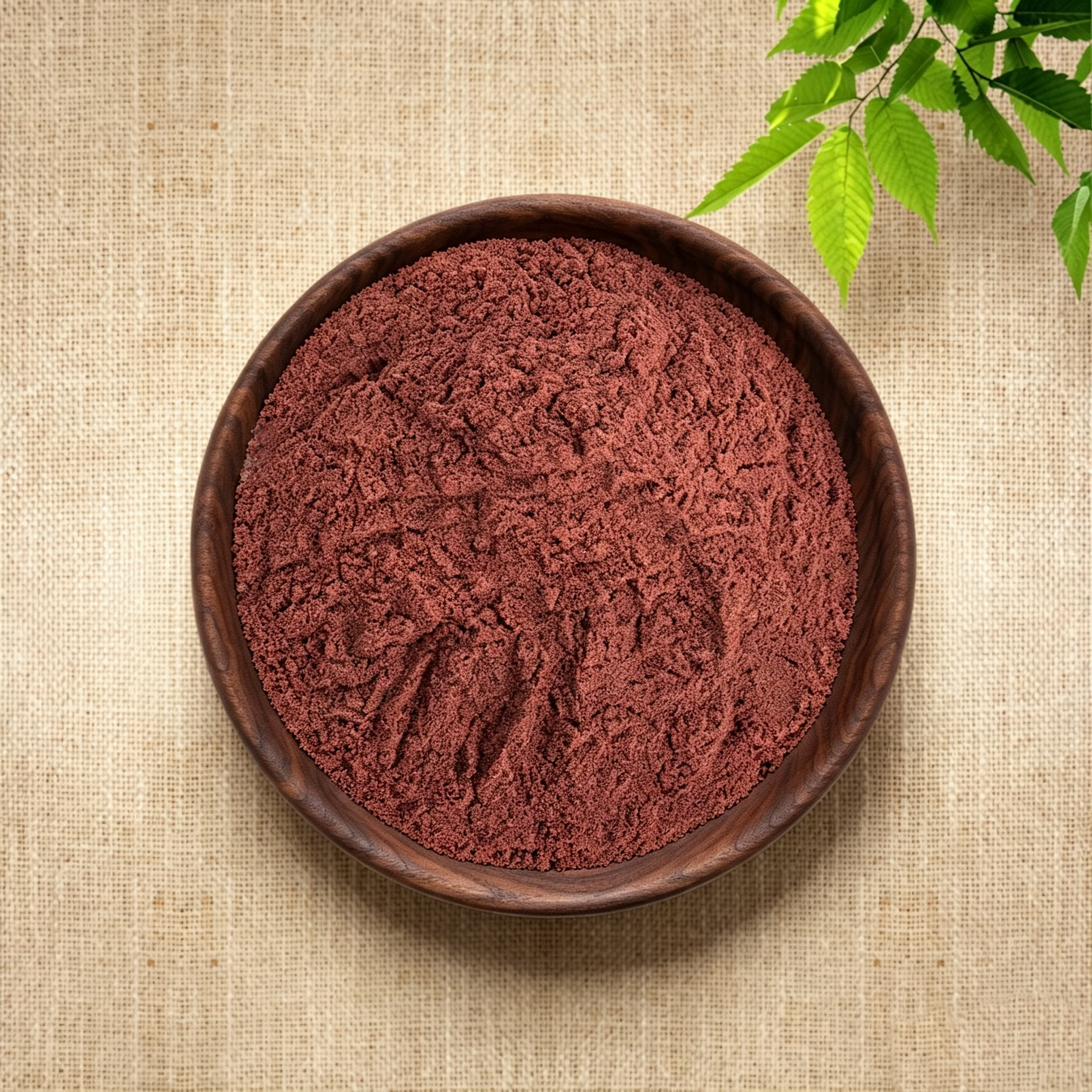
Astaxanthin

Astaxanthin is a carotenoid that is naturally present in some aquatic organisms including salmon, krill, lobster, and red algae, and is a principal factor in the red color of these organisms. It is well-known for its excellent capacity for antioxidant activity, ranking among the most effective natural antioxidants available.


Astaxanthin possesses incredibly effective antioxidant properties that allow it to scavenge and decompose nitrogen dioxide, sulfides, disulfides, and other forms of reactive processes while lowering lipid peroxidation and preventing the process of free radical-induced lipid peroxidation. Its antioxidant power is definitely greater compared to the traditional antioxidant properties of vitamin C and vitamin E. By acting to neutralize free radicals, astaxanthin helps avoid cellular injury and chronic inflammatory response. Its antioxidant effect is also important for protecting skin cells, since it helps minimize adverse effects of ultraviolet radiation, enhances elasticity of the skin, improves quality of the coat in pets, and increases overall performance of immune system of pets.



What the research says.
Pharmacokinetics and Cellular Distribution of Astaxanthin in Dogs and Cats: Bioavailability, HDL Transport, and Intracellular Antioxidant Potential
The absorption of astaxanthin occurs efficiently in the body of dogs and cats with its transportation in the body primarily through blood with the help of HDL (high-density lipoproteins). After the initial intake of astaxanthin, it is seen to reach its highest level in plasma approximately after six hours of consumption and remains in the body. There are studies which show that astaxanthin gets into blood leukocytes in dogs and cats and travels to different cellular components such as mitochondria, microsomes, and nucleus thereby indicating that it may play a vital role in maintaining health of these cells through its antioxidant properties.

Dietary Astaxanthin Enhances Innate and Adaptive Immune Responses in Dogs by Boosting NK Cell Activity, Lymphocyte Proliferation, and Antibody Production
Using astaxanthin boosts immune performance in dogs. Recent research shows that adding astaxanthin to the diet of dogs gives higher blood concentrations of astaxanthin and also enhances their delayed-type hypersensitivity reactions (DTH) as well as boosting the proliferation of lymphocytes and the activity of natural killer (NK) cells. This research shows that astaxanthin helps improve humoral immunity in dogs by increasing levels of IgG, IgM, and B cells, reducing inflammatory markers including C-reactive protein, and protecting general immune health in dogs by its antioxidant and anti-inflammatory actions.

Astaxanthin Supplementation Reverses Age-Related Mitochondrial Decline in Dogs by Enhancing ATP Production and Reducing Oxidative Damage
Astaxanthin can reverse age-related decline in mitochondrial function in dogs. It has been determined that dogs can benefit from daily administration of astaxanthin (20 mg per day for 16 weeks) as it leads to increase in ATP production and number of mitochondria, as well as to the activity of cytochrome oxidase of canine leukocytes, especially in old dogs. Studies also indicate that astaxanthin can preserve mitochondrial function of cells by boosting antioxidant defenses, thus preventing oxidative stress, including oxidative damage to DNA and proteins, and keeping the energy metabolism in functioning cells of aged dogs.

Astaxanthin as a Natural Carotenoid for Skin Health: Antioxidant, Anti-Inflammatory, and Photoprotective Mechanisms
Astaxanthin is a natural carotenoid, possessing characteristics such as being an antioxidant, anti-inflammatory, and photoprotective. Because of this, astaxanthin can potentially be used for skin health, skin injury repair, and skin disease treatment. Research has shown that astaxanthin may help preserve the skin barrier function and support skin health by combating oxidative stress, controlling inflammation, and shielding the skin cells from UV effects.

Astaxanthin Promotes Functional Recovery After Spinal Cord Injury via Antioxidant, Anti-Inflammatory, and Neuroprotective Mechanisms
Astaxanthin has anti-inflammatory, antioxidant, immunomodulatory, and anti-aging properties. In tests with animals after spinal cord injury it has been shown to improve motor function, lower levels of lipid peroxidation, and boost the ability to produce antioxidants in the body. Research shows that astaxanthin can be used in nutritional therapy in combination with other medical therapies to treat spinal cord injury, reducing damage to the nerve cells, preserving the white matter structure, and producing neuroprotective effects in the body.